The Story
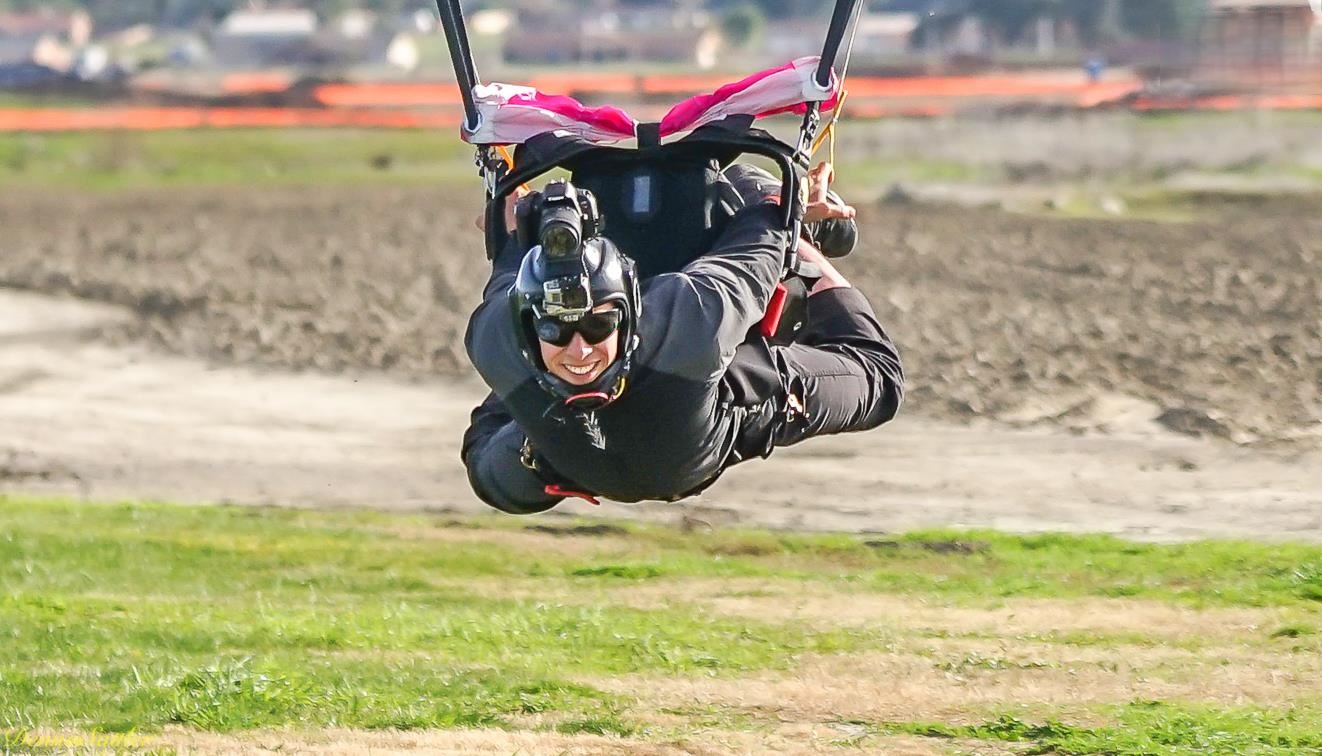
So here I was, about a few thousand jumps into my skydiving career having a great time destroying my body. When my parachute would open, that camera setup on top of my head wasn’t so kind to my neck. I was doing my dream job, but it came at a price.
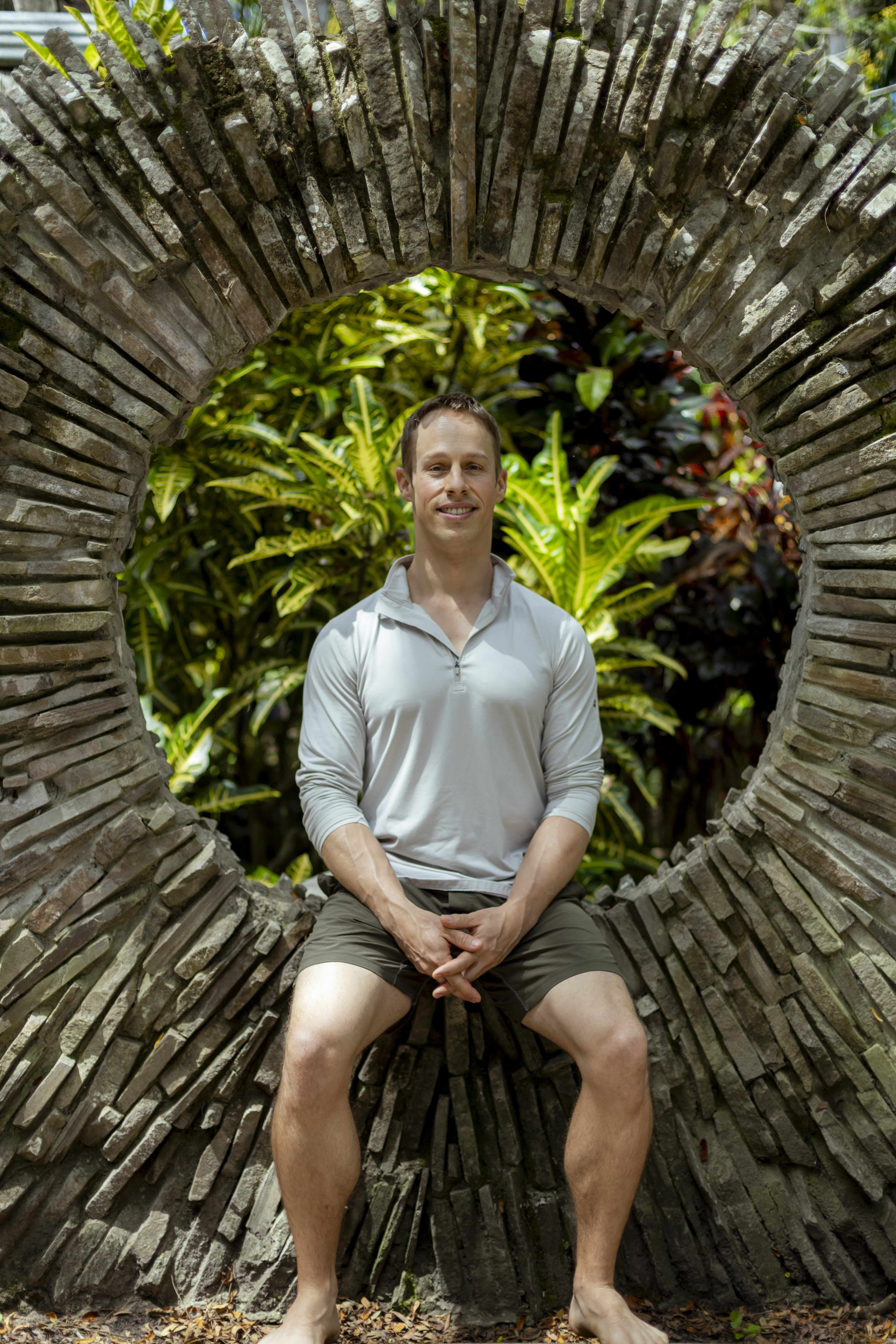
Hey there—I’m Cory, founder of Pragmatic Asana and a yoga teacher with a love for anatomy, nervous system regulation, and not taking myself too seriously. Congratulations, you’ve made it to my novel.
Before yoga, I spent years as a full-time skydiving instructor who loved lighting up people’s lives through quality instruction, opening up a whole new world to them. But, after thousands of jumps, parachute openings, and airborne student wranglings—my body hurt. I had chronic neck pain and my posterior chain muscles were so tight that anything resembling a forward fold felt like it was going to end my world. I needed to do something.
So I tried yoga. And it helped… but not in the clean, simple “this fixed everything” kind of way. I had a long journey still to go.
I loved what yoga was doing for my body and saw lots of potential, so on top of tons of practice and taking tips from nice teachers that wanted to help fix my body, I took a trauma-sensitive yin yoga teacher training, just to learn more so that I could better help myself not be in pain.
Right away, I was asked to lead some classes at the addiction treatment center that I was working at. I’d run a class, blending practical mental health & wellness tools I’d picked up, with an anatomical approach to yin… and both clients and staff would emerge with a level of groundedness, kindness, patience, focus, and participation I’d not previously seen. Huh.
Seed planted—yoga in a stressful, heavy environment worked wonders for individual wellness and group dynamics.
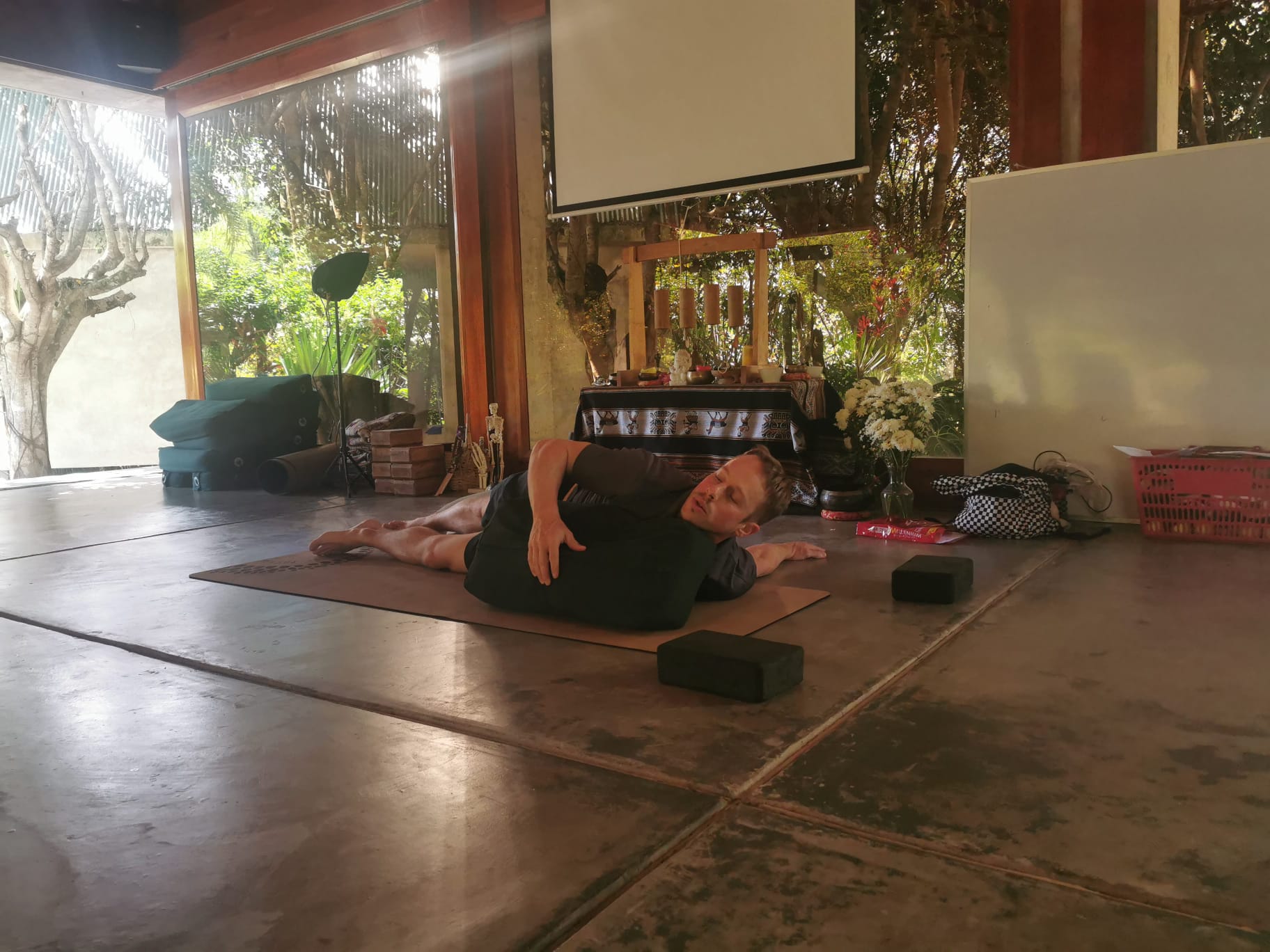
Now meanwhile, I was trying to address my continued pain in all the ways—working with chiropractors, physical therapists, LMTs, & yoga teachers—I even quit skydiving. My anatomy knowledge grew, and I tried out everything suggested, but despite the mashup of “solutions”, I still had chronic pain issues.
Then something clicked. I set aside lots of advice from everyone who didn’t live my experience. Looking through the lens of what I’d learned about my unique body and what it was telling me, I started to practice not doing half of the things that yoga teachers were cuing in classes because I realized they were making my pain worse. Going against conventional advice, I even started sitting in a slightly less “active” manner.
Results? No more neck pain, no more lower back pain, and it only took a couple days (after five years of trying everything else).
Second seed planted—with everything I went through and all my coaching experience, I could really help people avoid a long suffer-fest in their yoga journeys.
From all of this trial, error, and ouch, I began to develop my new teaching style: curated, practical asanas which blend functional strength, mobility, and nervous system support. All of this is offered slowly, intentionally, and with lots of encouragement to say “no thanks” to any cue that doesn’t feel right. From medical professionals and my own painful voyage, I learned SO much about all the things yoga teachers cue that are just plain bad for the average body, and this hard-won knowledge became one of the pillars of my practice and teachings.
Later, as I was reflecting on my whole journey one day, it hit me—it’d be a waste not to grow the two “seeds” I mentioned, sharing the fruits with individuals and businesses. I personally saw how yoga in the workplace and personalized yoga could create big positive change, fast.
Thus, Pragmatic Asana was born with the mission of helping people and brightening up workplaces.
My goal when bringing classes to workplaces is for participants to emerge feeling blissfully rejuvenated with a calm, sharp focus and feeling great about their decision to come to work that day, maybe feeling a little lighter and playing a little nicer.
My goal when working individuals is to help them build a safe, sustainable, and informed yoga practice that lasts a lifetime. They don’t need to suffer like I did to find their yoga.
Expect no chakras, no dogma, and no guru vibes—just science-informed movement, compassionate coaching, and a few dad jokes sprinkled in.
 Pragmatic Asana